Agriculture in Republika Srpska
Maize and cereals in the Sava and Semberija plains, plums and apples in the hill country of the north and centre, and fruit, grapes and early vegetables in the warm south around Trebinje. Agriculture produced goods worth about 2.3 billion KM in 2024.
Agriculture in figures
- Value of agricultural production, 2024 (+7.2% on 2023)
- 2.32 bn KM
- People employed in agriculture, 2024 — 13.4% of all employment
- 57,000
- Agro-industry share of GDP (farming plus food, beverage and tobacco processing)
- 8.4%
- Maize harvested in 2025, from 77,031 ha
- 398,598 t
- Record plum harvest in 2024, from 12,211 ha
- 50,524 t
- Raw milk produced on farms, 2025 (+1.8%); 138.8 million litres went to dairies
- 290.2 m l
Sources: Republika Srpska Institute of Statistics — This is Republika Srpska 2025; releases Yields of late crops and fruit 2025 (No. 107/26) and Production and use of milk on farms 2025 (No. 32/26, preliminary).
Three climates in one region
The Institute of Statistics divides the territory into three climate types. The north has a moderate continental, peri-Pannonian climate with warm summers. This is where the large arable plains along the Sava, Posavina and Semberija are. Most of the centre is mountainous with cold, snowy winters, and livestock farming, dairy and forest fruits dominate.
The south of Herzegovina has a modified Mediterranean climate. Trebinje is the warmest city, with an average annual temperature above 14 °C. Bileća recorded close to 2,700 hours of sunshine in 2024, which suits orchards, vineyards and early vegetables.
Main crops, 2025 harvest
Estimates from the Institute's annual farm survey. Year-on-year changes are large: 2025 followed a record fruit year and a dry summer.
| Crop | Area, ha | Yield, t/ha | Production, t | vs 2024 |
|---|---|---|---|---|
| Maize | 77,031 | 5.2 | 398,598 | −14.9% |
| Potatoes | 3,456 | 18.6 | 64,451 | −37.9% |
| Apples | 4,973 | 5.8 | 28,943 | −53.7% |
| Tomatoes | 1,348 | 20.4 | 27,558 | +54.8% |
| Plums | 12,862 | 1.9 | 23,886 | −52.7% |
| Peppers | 1,287 | 16.5 | 21,245 | −12.0% |
| Soybean | 6,841 | 2.4 | 16,713 | −4.3% |
| Onion | 983 | 6.8 | 6,712 | −39.9% |
| Sunflower | 2,253 | 1.8 | 4,157 | +14.4% |
Source: Republika Srpska Institute of Statistics, Yields of late crops and fruit 2025, annual release No. 107/26 (15 April 2026).
What is produced
Field crops
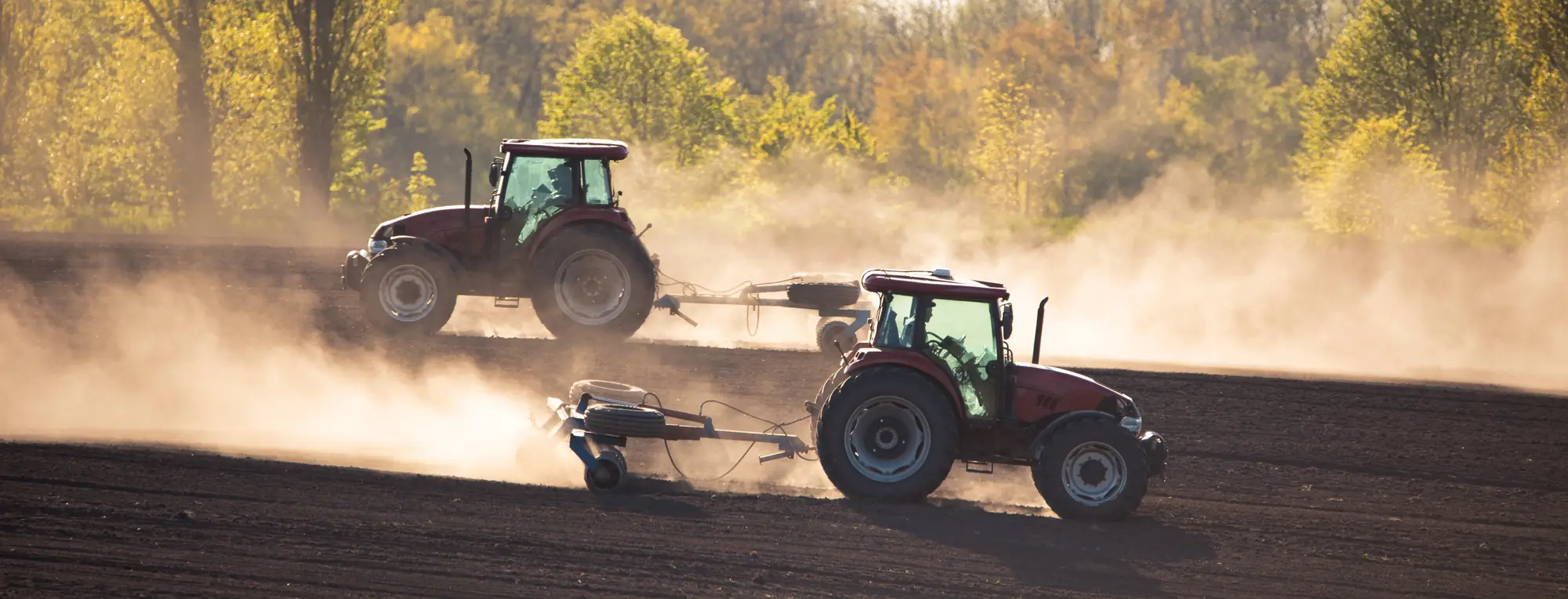
Maize is the main arable crop by a wide margin. Soybean, sunflower, wheat and fodder crops follow. Most of it is grown in the northern plains and supplies feed mills, livestock farms and the food industry in the region.
Fruit
Plums are the traditional fruit and the largest orchard area, used fresh, dried and for brandy. Apples, pears, cherries and sour cherries are grown commercially. Raspberries and other berries are mostly sold frozen.
Livestock and dairy
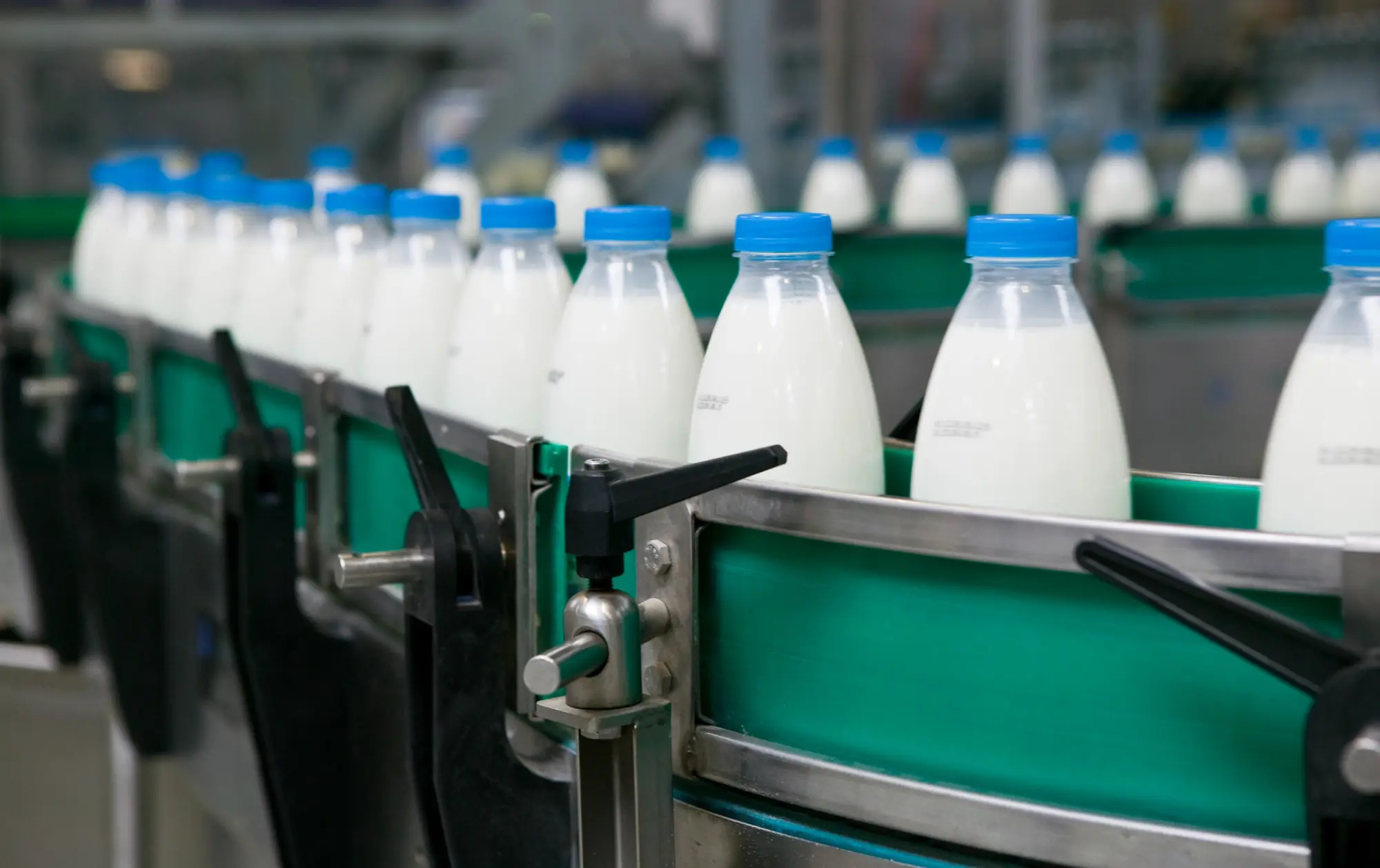
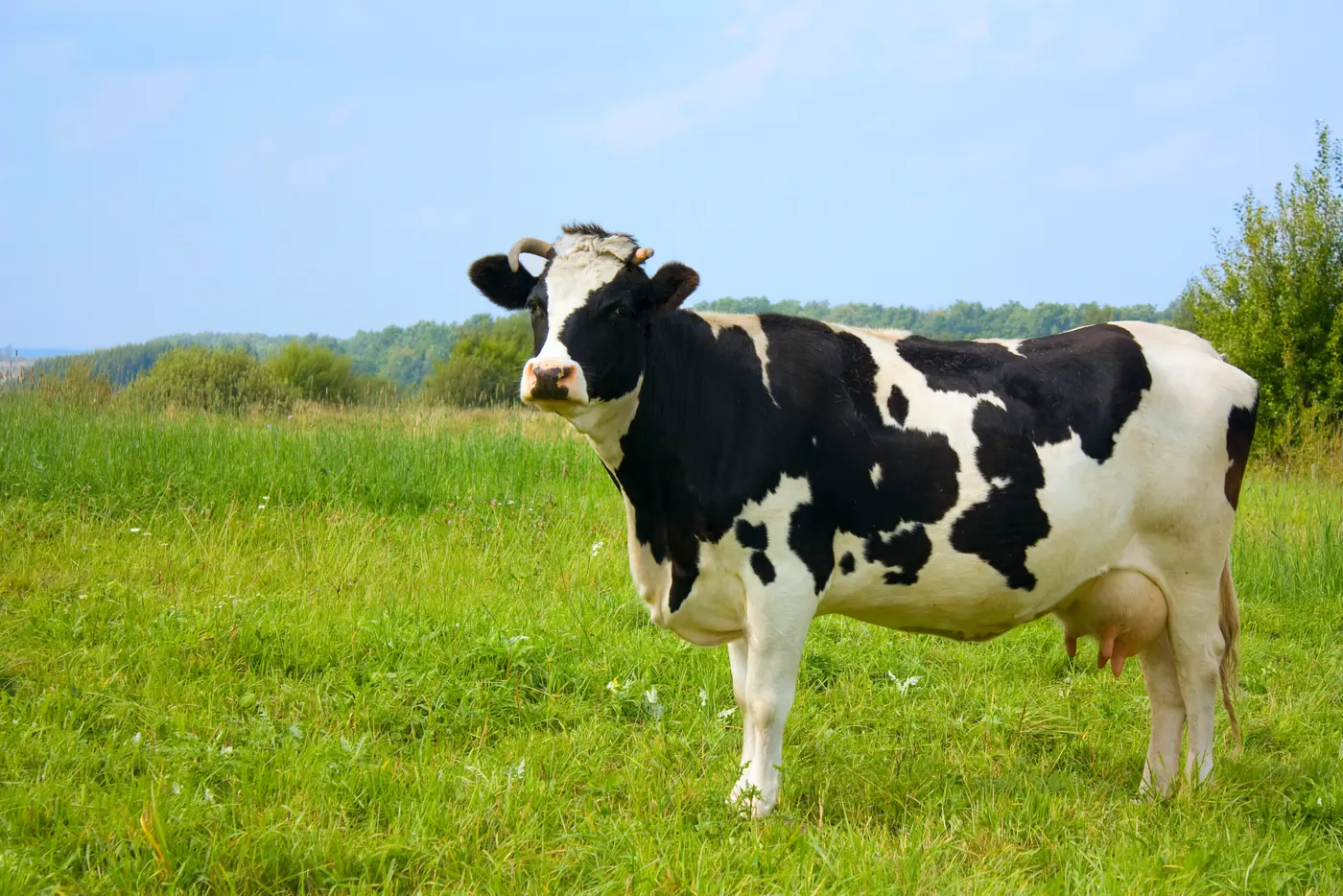
Cattle, pigs, sheep and poultry are kept across the region, and milk is the main livestock product. Dairies collect milk from thousands of family farms: Mljekara Pađeni alone works with about 900 suppliers in 20 municipalities.
Honey, herbs and forest fruits
Beekeeping is widespread, with acacia, linden, chestnut and meadow honeys. Invest Srpska counts more than 400 species of medicinal and aromatic plants in the region. Tea and herbal producers such as Plantago process them.
Trade in farm products
Primary agricultural products are still mostly imported. In 2024 the region exported 58.9 million KM of them (up 15%) and imported 282.5 million KM. Most of the value is added later, in processing: food manufacturing alone sold goods worth 1.1 billion KM in 2024. That is why the most promising export lines are processed and branded products such as frozen fruit, juice concentrates, dairy, honey and brandy, rather than raw commodities.
Where investment is going
Invest Srpska, the government's investment agency, points to cold storage, fruit drying, greenhouses and new orchards of walnut, hazelnut, pear, cherry and apple. It also lists berries, wine with geographical origin, fish farming and industrial crops such as sugar beet, soybean and oilseed rape. Agricultural investors can apply for annual incentives from the Ministry of Agriculture, Forestry and Water Management.
Public support for farmers
The Government of Republika Srpska adopts an annual plan of agricultural incentives prepared by the Ministry of Agriculture, Forestry and Water Management. The 2026 plan, adopted on 20 February 2026, totals 180 million KM. Of this, 107.1 million KM supports current crop and livestock production, 48.9 million KM goes to long-term investment in farms and processing, and 24.0 million KM to system measures. A further 12 million KM co-finances diesel fuel for registered producers. Investment support of this kind lowers the cost of new orchards, cold stores and processing lines. See Institutions & public programmes.
Checking a supplier
Ask for current volumes, the harvest calendar and storage conditions, and the documents your market needs: phytosanitary certificates, GlobalG.A.P. or organic certificates, and for animal products, an approved establishment number. Green Srpska shows a certificate on a profile only after seeing it.