Water resources
The Drina, Sava, Vrbas, Bosna, Una and Sana flow through Republika Srpska, and the Bileća reservoir holds 1.28 billion m³. Water drives a third of the region's electricity, supplies bottlers of mineral and spring water, and feeds fish farms and irrigation.
Water in figures
- Length of the Drina in Republika Srpska, the longest river in the region
- 308.5 km
- Volume of Bilećko lake on the Trebišnjica, the largest reservoir
- 1.28 bn m³
- Electricity from hydropower plants, 2023 (2,359 GWh in the drier 2024)
- 3,152 GWh
- Hydropower share of electricity produced, 2024
- 33%
- Sales of beverages including bottled water, 2024
- 138 m KM
- Largest fishpond, Saničani on the Gomjenica
- 11.2 km²
Source: Republika Srpska Institute of Statistics, This is Republika Srpska 2025, tables 2.3, 2.4, 17.3 and 28.1. River and lake data from the public institution Vode Srpske, Bijeljina.
Main rivers
Length of each river within Republika Srpska. The Sava forms the northern border with Croatia, and the Drina most of the eastern border with Serbia.
| River | Total length, km | In Republika Srpska, km |
|---|---|---|
| Drina | 341.0 | 308.5 |
| Sava | 945.0 | 204.8 |
| Vrbas | 249.9 | 131.9 |
| Bosna | 279.4 | 98.0 |
| Vrbanja | 95.4 | 95.4 |
| Una | 212.5 | 91.8 |
| Sana | 157.7 | 85.0 |
| Ukrina | 80.9 | 80.9 |
Source: Vode Srpske, Bijeljina, published in This is Republika Srpska 2025, table 2.3.
Mineral and spring water
The Chamber of Commerce and Industry of Republika Srpska lists mineral water sources at Laktaši, Slatina, Banja Luka, Kulaši and Mlječanica. Several of these are also spa resorts, and spas accounted for about a third of tourist overnight stays in 2024.
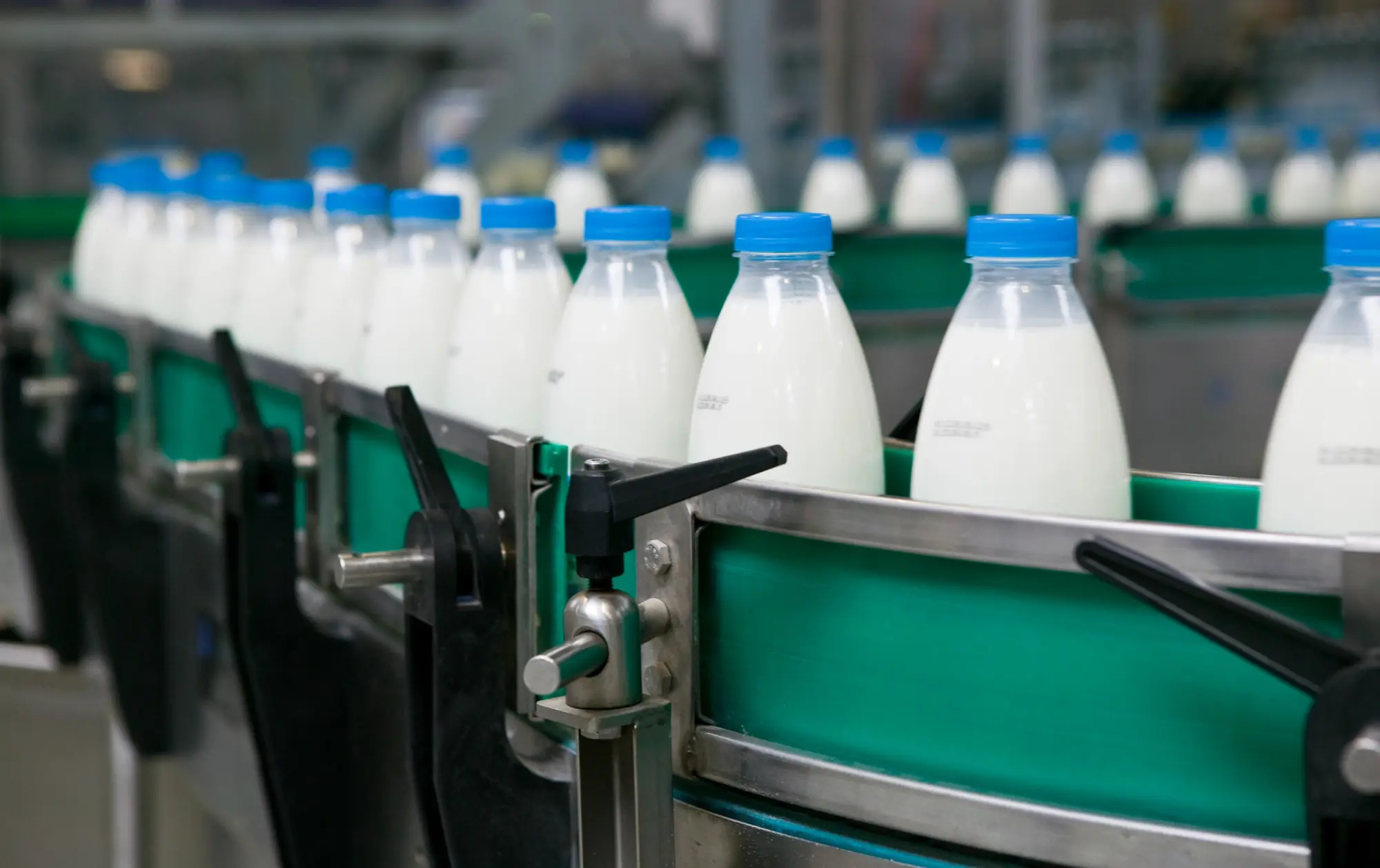
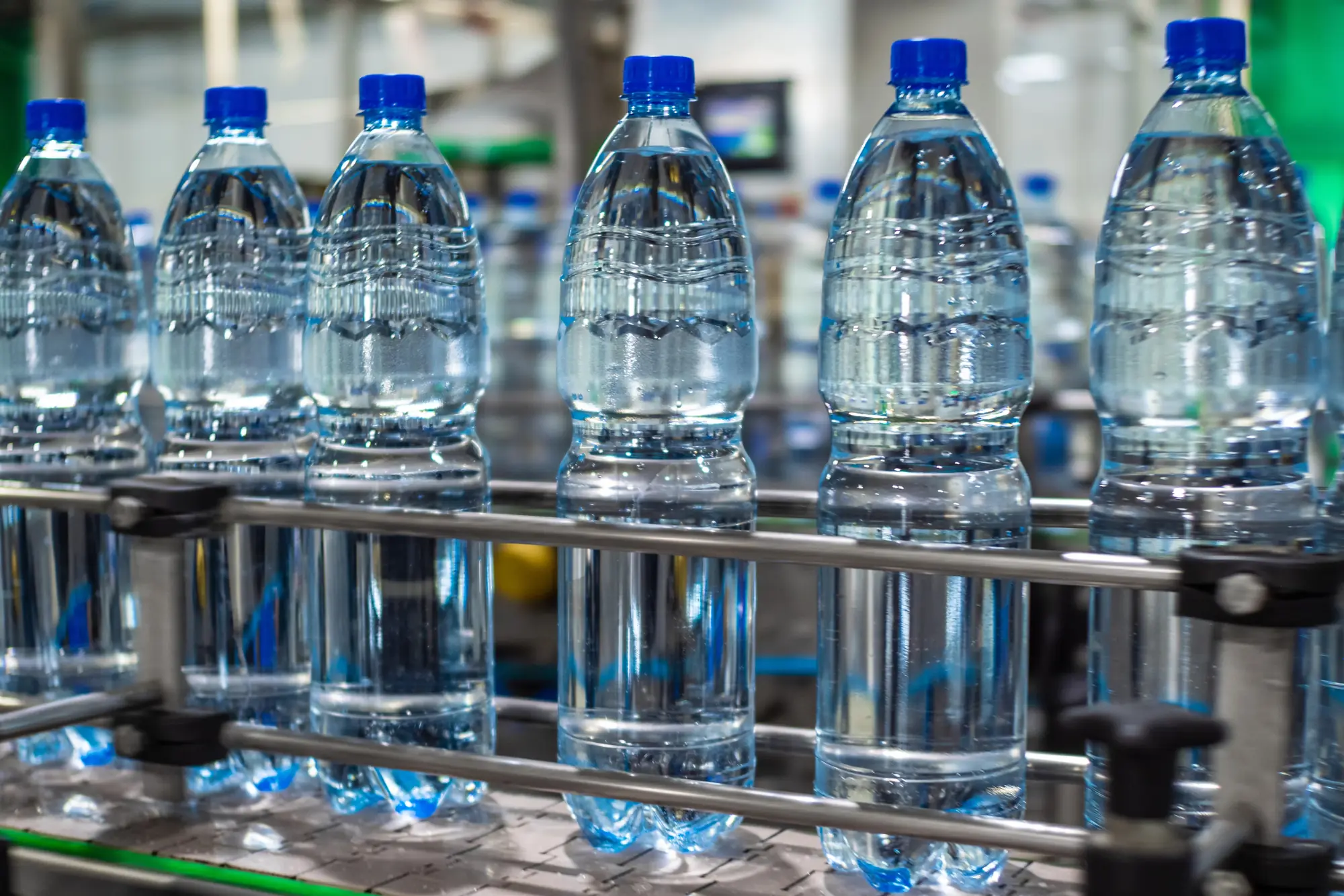
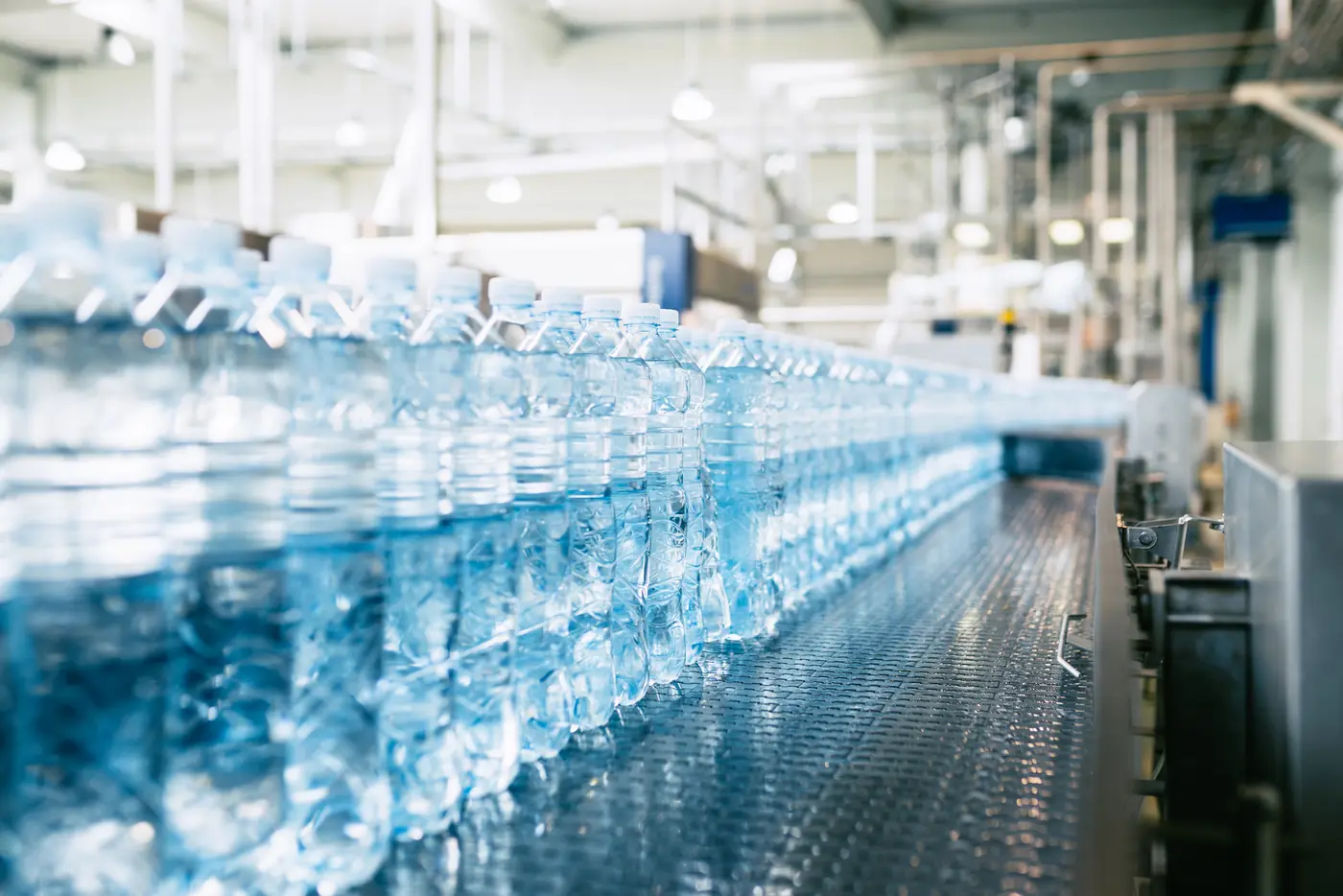
Commercial bottlers include Vitinka a.d. in Kozluk near Zvornik. It bottles Vitinka natural mineral water and Vivia spring water from a source near Raševo, and has its water analysed by the Public Health Institute of Republika Srpska. Bottled water is often a private-label or distribution opportunity for retailers in neighbouring markets.
Hydropower
Hydropower plants produced between 2,000 and 3,150 GWh a year from 2018 to 2024, depending on rainfall. The rest comes mostly from lignite-fired plants. The Chamber estimates that only about 30% of the region's total electricity-generating potential is used. New hydropower on the upper Drina and the Trebišnjica is planned. Some of these projects are disputed in court and by environmental groups, and investors should take this into account.
Fish farming and irrigation
The largest fishponds are at Saničani on the Gomjenica (11.2 km²), Prnjavor on the Vijaka (6.7 km²) and Sjekovac on the Ukrina (4.0 km²). Cold mountain rivers suit trout farming. Invest Srpska lists fish breeding for export among the investment opportunities in agriculture.
Licences and responsibility
Using water for bottling, hydropower, fish farming or irrigation requires water permits from the competent authorities of Republika Srpska. Projects on rivers shared with neighbouring countries also need cross-border coordination. Investors should check the permit status of a site before any commercial discussion. See Institutions & resources.